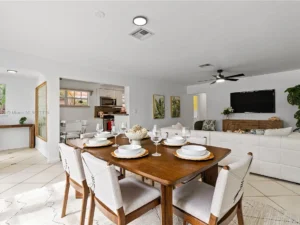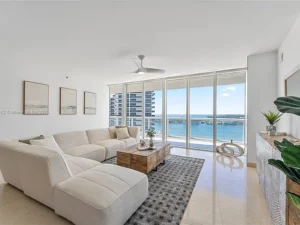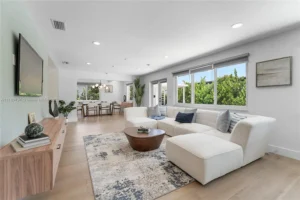
When you decide to sell your home, you’re not just selling a building; you’re selling a dream. That’s where home staging comes in. It’s the art of strategically preparing your property so it speaks to the widest possible audience of buyers, making them feel right at home from the moment they see the photos online.
This process goes far beyond a simple tidy-up. It involves a thoughtful approach to decluttering, depersonalizing, cleaning, and arranging furniture to showcase your home’s best assets. Done right, staging creates an unforgettable first impression that can lead to a quicker sale and a better price.
The Real Impact of Home Staging
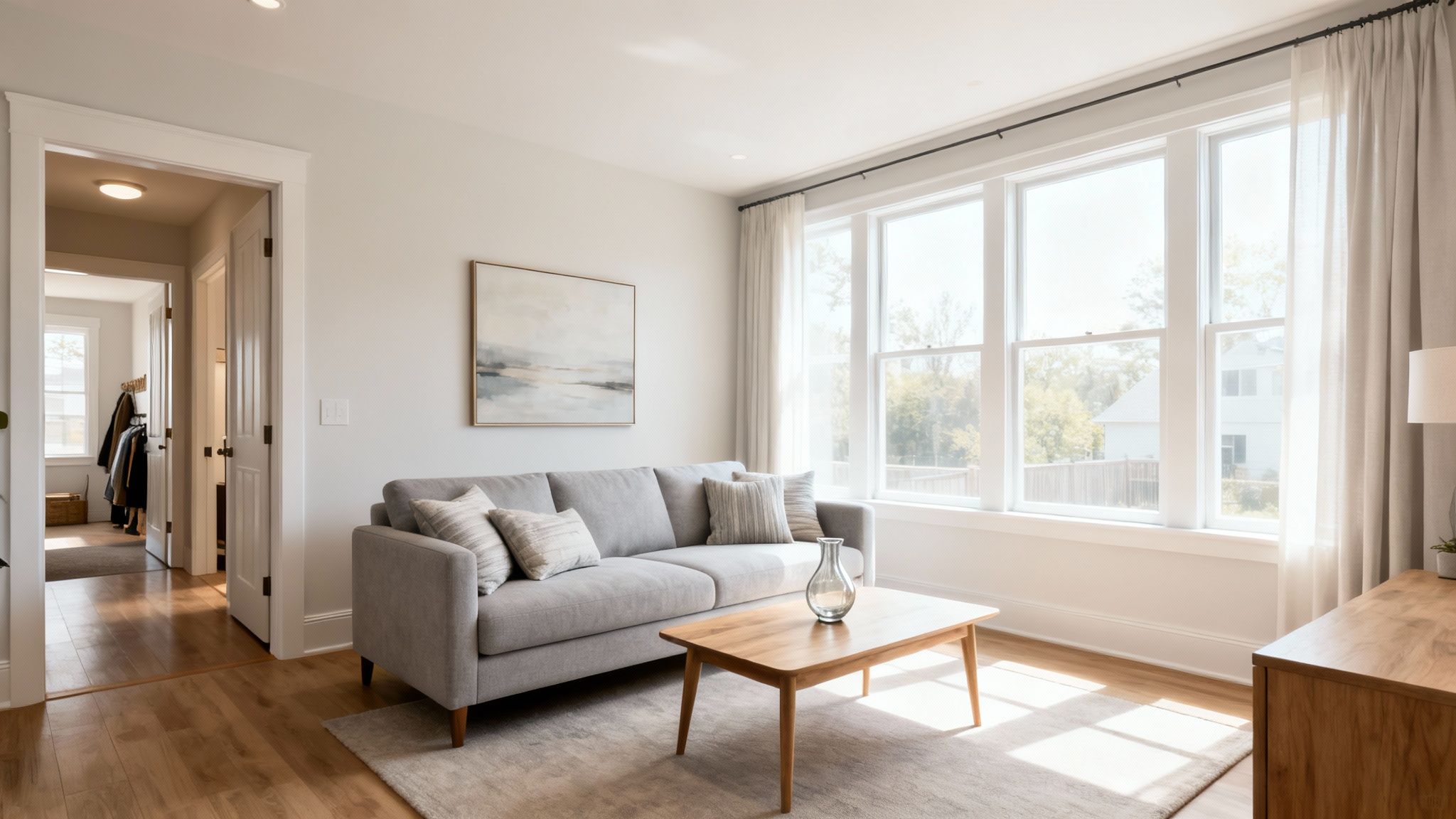
Let’s be real—selling in today’s market is all about creating an emotional connection. Think of home staging as a critical marketing tool, not just a weekend decorating project. The goal is to help buyers look past your life and your memories and start picturing their own future within those four walls.
This powerful psychological shift starts the second a buyer scrolls through your professional photos and solidifies when they walk through the front door and feel an immediate sense of welcome.
Why Staging Is a Smart Marketing Investment
I’ve seen it time and time again: effective staging isn’t about creating a perfect, sterile space. It’s about masterful presentation. You’re highlighting your property’s strengths, minimizing any potential weaknesses, and tapping into a buyer’s aspirations. The benefits are undeniable and well-documented.
- Forging an Emotional Connection: Staging helps buyers develop an attachment, which is a huge motivator when it comes time to make an offer.
- Helping Buyers Visualize the Space: Many people struggle to grasp a room’s potential when it’s empty. Smartly placed furniture defines the purpose of each room and demonstrates its true scale.
- Boosting Online Appeal: In the age of online listings, you have seconds to grab someone’s attention. Jaw-dropping photos of a staged home do just that, driving more traffic and more requests for showings.
The Numbers Tell the Story
The data doesn’t lie. Professionally staged homes consistently get more attention online and sell faster than their unstaged competition. According to the National Association of Realtors (NAR), a staggering 83% of buyer’s agents agree that staging makes it easier for buyers to visualize a property as their future home.
One study found that staged properties pulled in an average of 8.3 buyer showing requests each week. Unstaged homes? Just 3.1. That’s a 168% increase in engagement, which is a massive advantage in any market.
A well-staged home doesn’t just look better; it performs better. It’s a strategic move designed to maximize buyer interest, minimize time on the market, and ultimately, secure a stronger sale price.
Figuring out the right furniture and layout can feel overwhelming. If you’re not sure how to make your home’s best features pop, our professional Staging service brings the expertise and curated inventory needed to create that “wow” factor. For more great ideas, check out these essential home staging tips.
To really see how this all translates to your bottom line, learn more about how a home staging company can help you sell faster and avoid price cuts: https://bwc.wesetthestage.com/can-a-home-staging-company-help-you-sell-faster-and-avoid-price-cuts/
Creating Your Blank Canvas Before You Stage
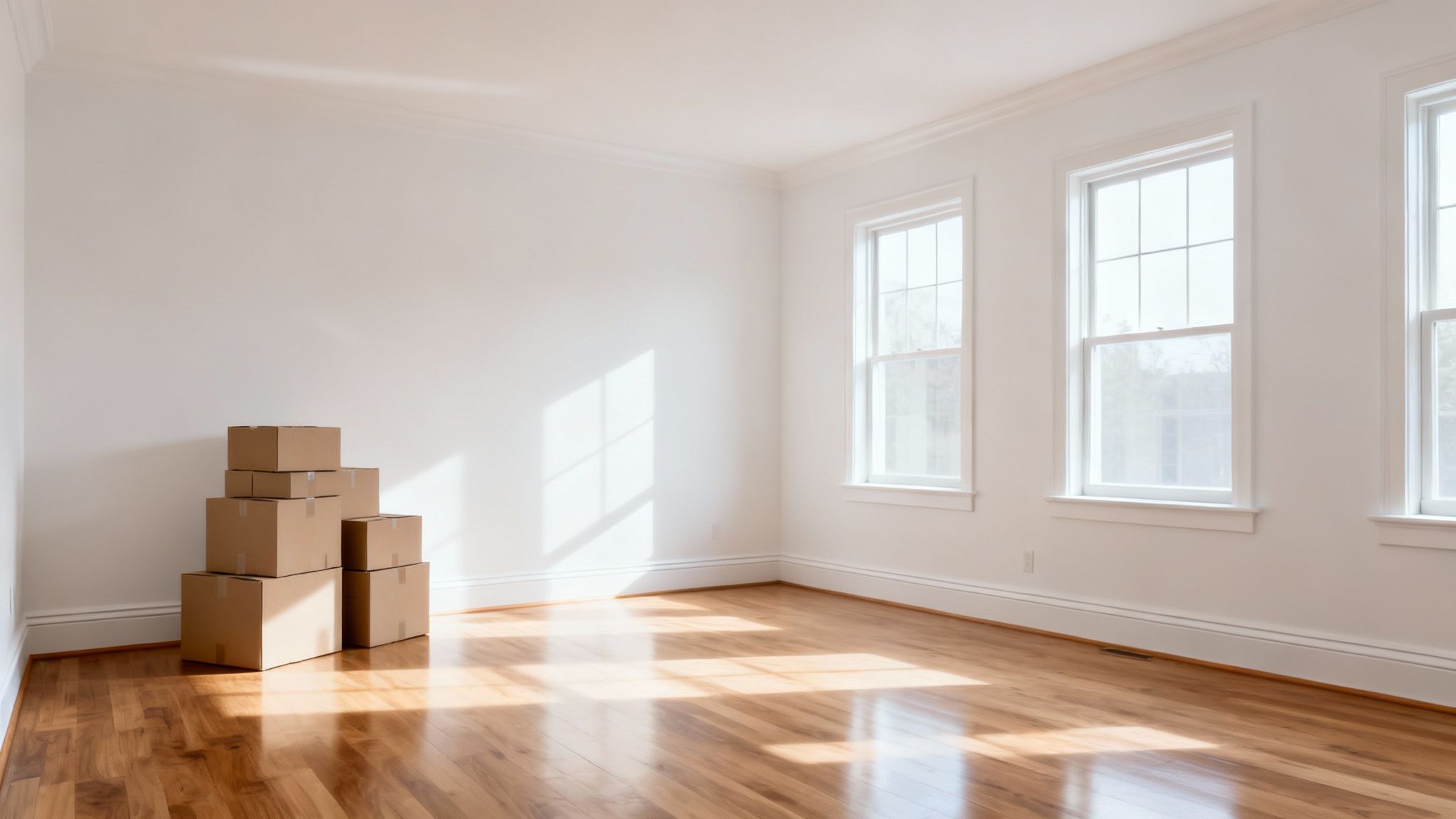
Before you even think about bringing in a single piece of rental furniture or hanging a piece of art, you have to prep your canvas. This is the unglamorous but absolutely essential foundation of good staging. It’s about methodically stripping away the years of your life in the house to show buyers the potential for theirs.
This isn’t just tidying up. It’s a strategic process I like to call the “Three D’s”—Depersonalize, Declutter, and Deep Clean. Getting these three things right will transform your home from a personal space into a desirable product.
The First Rule: Depersonalize Your Space
Buyers need to be able to walk in and immediately imagine their own lives unfolding there. They simply can’t do that if they’re staring at your wedding photos or your kid’s crayon drawings on the fridge.
Think of it as giving yourself a head start on packing. It’s time to box up anything that screams “you.”
- Family photos and portraits. This is the big one. You want buyers admiring the built-in bookshelves, not asking about your last trip to the beach.
- Children’s artwork and school awards. The fridge should be a clean, reflective surface.
- Collections and memorabilia. Your prized sports trophies, hobby displays, or political signs need to go into a box.
- Highly personal decor. That vibrant, eclectic gallery wall you love? It might be a buyer’s worst nightmare. Swap it out for a single, large piece of neutral art that complements the room.
The point isn’t to create a sterile, boring environment. It’s about creating a welcoming, neutral backdrop where a buyer’s imagination can run wild with possibilities.
Declutter Like Your Sale Depends On It (Because It Does)
Clutter is the number one enemy of a successful sale. It swallows light, makes rooms feel cramped, and screams “not enough storage”—a huge red flag for nearly every buyer. Your goal should be to remove at least 30-50% of your stuff. I know that sounds like a lot, but the difference it makes is staggering.
Adopt a three-bin mentality for every single item: pack, donate, or discard. For the things you’re keeping but don’t need right now, renting a small storage unit for a couple of months is one of the best investments you can make. This clears out the visual noise.
A closet packed to the gills sends a clear message: “There’s not enough storage here.” But a closet that’s half-full? It whispers, “Look at all this space… you’ll have more than enough room for everything.”
And don’t just focus on the obvious spots. Buyers are nosy—they will open your kitchen cabinets, pantry, and bedroom closets. When they find neat, organized shelves with room to spare, it powerfully reinforces the idea that your home is spacious and well-cared-for.
A Deep Clean Is Non-Negotiable
With the clutter and personal items gone, it’s time for a top-to-bottom scrub. This is far more intense than your regular weekly cleaning. Every single surface needs to shine, which sends a subconscious signal to buyers that the home has been meticulously maintained. If you’re short on time, spending $200-$400 on a professional cleaning crew is worth every penny.
Make sure your cleaning checklist hits these often-missed spots:
- Windows and window tracks. Clean glass lets in the maximum amount of natural light, which is always a top seller.
- Baseboards, crown molding, and light fixtures. This is where dust bunnies and cobwebs love to hide in plain sight.
- Grout and caulk in the kitchen and bathrooms. If it’s grimy, scrub it. If it’s stained or moldy, just replace it. A fresh bead of caulk is cheap and makes a bathroom look almost new.
- Inside all appliances. Yes, buyers look in the oven. Make sure it’s spotless.
Finally, walk through and fix all those little things you’ve been ignoring—the leaky faucet, the scuffed baseboard, the wobbly cabinet handle. Individually, they’re minor. But together, they can create an impression of neglect.
If you’re finding it hard to see your home through a buyer’s eyes, a Staging expert can be your objective third party. We’re trained to spot the things you’ve become blind to. For anyone looking for a detailed, room-by-room action plan, a professional pre-listing consultation is a great first step to identify the highest-impact priorities.
A Room-By-Room Guide to Strategic Staging
With a clean, decluttered canvas ready, it’s time to add back the magic. Staging isn’t about just filling a room with furniture; it’s about telling a story. You’re defining each space, giving it a clear purpose, and showing buyers an aspirational lifestyle they can step right into.
Of course, not all rooms carry the same weight. You need to focus your energy where it counts. Data from the National Association of Realtors consistently shows that some rooms are far more influential than others. The living room, for example, is where buyers form their first and most lasting impression. On the flip side, only about 7% of buyer’s agents consider guest bedrooms ‘very important’ to stage. This tells us exactly where to put our time and money for the biggest return.
The Living Room: Where Buyers Fall in Love
The living room is the heart of the home, and it has to feel welcoming, open, and ready for life. Your mission here is to showcase the room’s scale and potential for both relaxing evenings and lively get-togethers.
Furniture arrangement is everything. Resist the urge to push sofas and chairs against the walls. Instead, pull them inward to create a cozy, conversational area, maybe anchored by a fireplace or a beautiful picture window. This one simple move can make the entire room feel larger and more intentional.
Think about the flow. Can someone walk through the space easily without side-stepping a coffee table or squeezing past an oversized chair? If your furniture feels too big, don’t be afraid to remove a piece. It’s far better to have a slightly emptier, spacious room than a cramped, cluttered one.
The Kitchen: A Recipe for Success
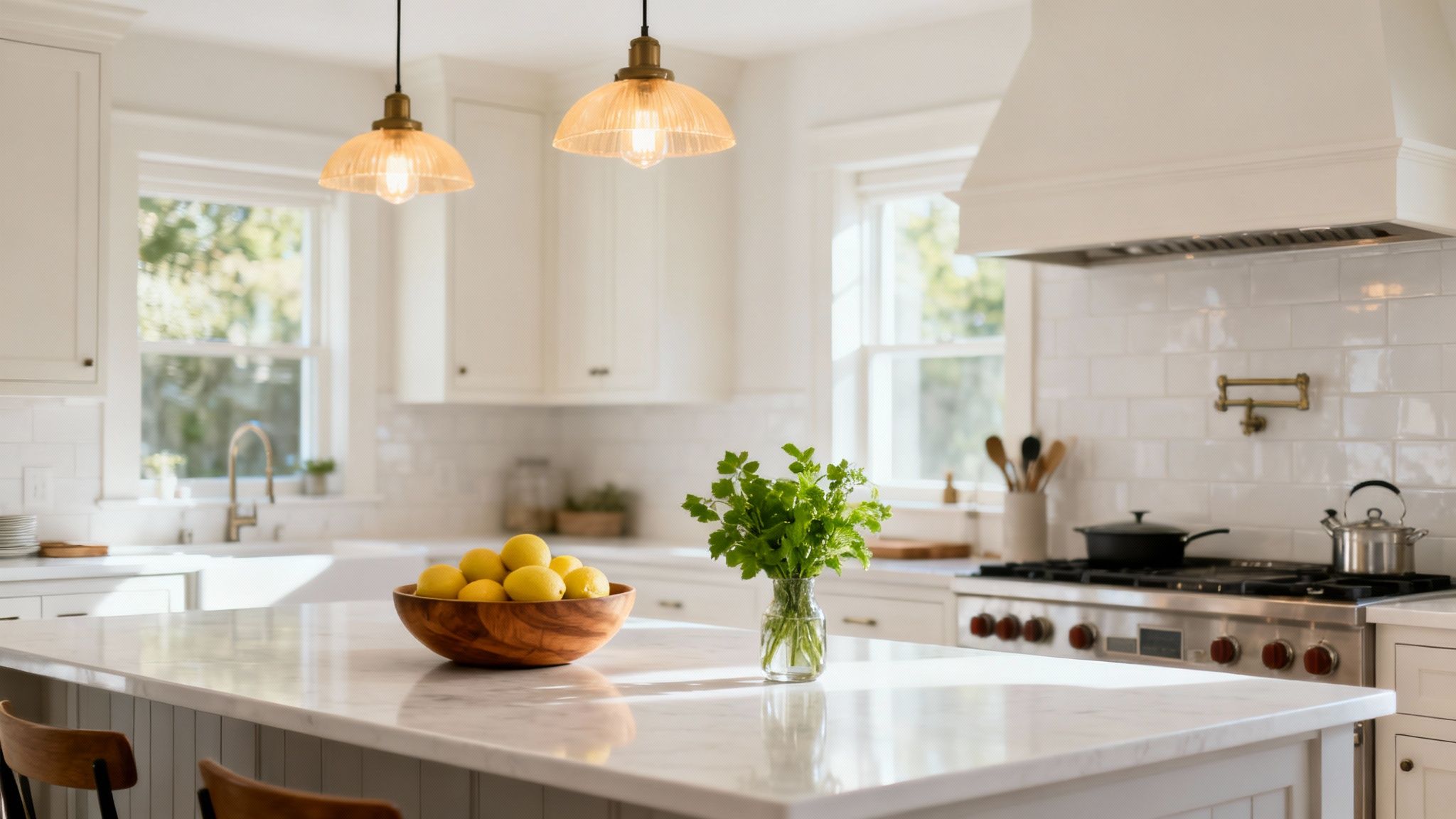
Buyers scrutinize kitchens. They’re looking for counter space, good flow, and a clean, updated vibe. The great news is, you don’t need a six-figure renovation to make a stellar impression.
Start by clearing everything off the countertops. I mean it—the toaster, the knife block, the stack of mail. Your goal is to show off every square inch of that valuable counter space.
Once you have a blank slate, add back just a few carefully chosen items:
- A bowl of bright lemons or crisp green apples for a pop of color.
- A single healthy-looking plant, like a small orchid or succulent.
- A sleek coffee maker or a beautiful cookbook propped open on a stand.
This minimalist approach makes the kitchen feel bright, clean, and ready for its new owner.
Your kitchen staging should whisper, “Imagine the wonderful meals you could prepare here,” not shout, “Look at all the appliances the current owner uses.” Clean, open surfaces are your best friend.
The Primary Bedroom: Creating a Serene Retreat
This room needs to feel like a sanctuary. When a buyer walks in, they should instantly imagine themselves unwinding after a long day. Think “boutique hotel”—calm, luxurious, and completely impersonal.
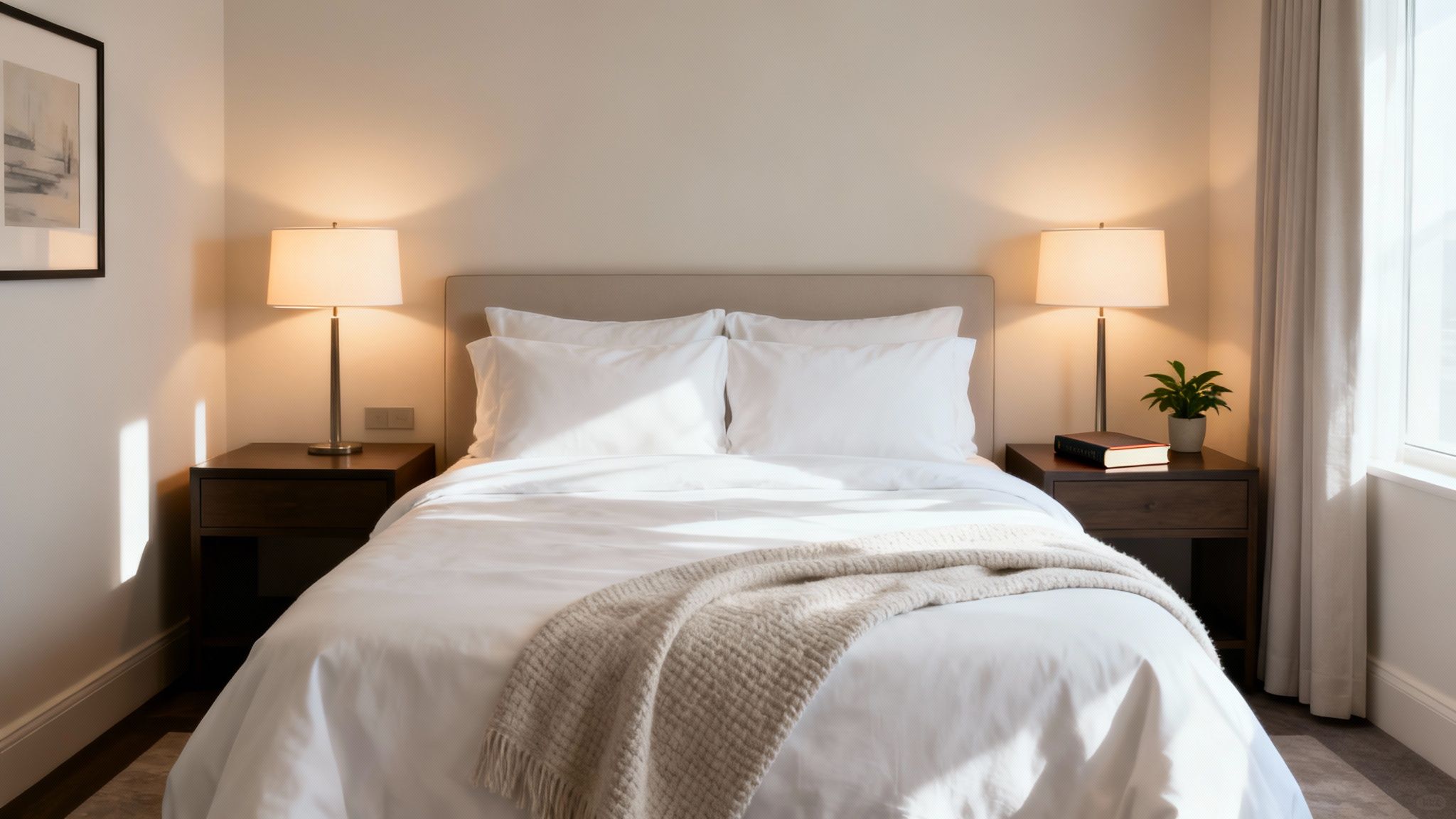
The bed is the star of the show here. Dress it perfectly with crisp, neutral bedding. You can never go wrong with white; it just screams clean and tranquil. Add some texture with decorative pillows and a neatly folded throw blanket at the foot of the bed for that final touch of elegance.
Symmetry is your secret weapon. Two matching nightstands with two matching lamps create a sense of balance and order that is incredibly appealing to buyers. Get rid of the clutter—no phone chargers, half-full water glasses, or piles of books.
The Bathroom: A Spa-Like Experience
Bathrooms can absolutely sell a house, but they can also be a deal-breaker if they feel grimy or personal. The goal is a spa-like atmosphere that feels sparkling clean and fresh.
First things first: remove all your personal toiletries. Hide your toothbrush, shampoo bottles, and razor in a small basket you can easily stash under the sink before a showing. Nobody wants to see that.
Next, invest in a new set of fluffy white towels. Fold them beautifully and hang them on the towel rack. Then, add just a few simple, elegant touches:
- A simple soap dispenser (not a bar of soap).
- A single, sophisticated candle or a small vase with a bit of greenery.
- A few white washcloths rolled up and placed in a small basket.
These tiny details transform a utilitarian bathroom into a relaxing escape. As you move through your home, remember that even small spaces can make a big impact. Explore some ideas to maximize style and space in small rooms to ensure every corner feels intentional and inviting.
To help you prioritize, we’ve put together a quick checklist focusing on the rooms that buyers care about most.
Room Staging Priority Checklist
Focus your efforts where they matter most with this checklist for high-impact room staging.
| Room | Priority Level | Key Staging Actions |
|---|---|---|
| Living Room | Highest | Create conversation areas. Maximize flow. Define a focal point. Use neutral, inviting decor. |
| Kitchen | Highest | Clear countertops completely. Add minimal, fresh decor (fruit, plants). Ensure it’s spotless. |
| Primary Bedroom | High | Style the bed like a hotel. Ensure symmetry with nightstands/lamps. Create a serene feel. |
| Dining Room | Medium | Set a simple, elegant table. Ensure lighting is warm. Define the space for entertaining. |
| Bathroom | Medium | Remove all personal items. Use fresh white towels. Add spa-like accessories. |
| Home Office | Medium | Stage a functional, organized workspace. Hide cords and clutter. |
| Guest/Kids’ Rooms | Low | Neatly make beds. Depersonalize and declutter. Ensure rooms are clean and bright. |
By tackling the highest priority rooms first, you’ll ensure your time and budget are spent creating the biggest possible impact on potential buyers.
Feeling overwhelmed by furniture selection or unsure how to create that perfect, cohesive look? Our professional Staging service takes the guesswork out of the process. We provide the ideal furniture and accessories to highlight your home’s unique features, creating an aspirational environment that captivates buyers from the moment they walk in.
Mastering the Final Touches That Sell Homes
Alright, the heavy lifting is done. The clutter is gone, the furniture is perfectly arranged, and the house looks great. Now comes the fun part—the final layer of details that truly makes a house feel like a home buyers can’t forget.
This is where we add the polish. Think of it as the difference between a nice room and an aspirational one. These finishing touches—the lighting, the art, the textures—are what create that emotional pull and make buyers mentally move in. It’s less about adding more stuff and more about making strategic choices that complete the picture.
Let There Be Light
Never underestimate the power of good lighting. It’s one of the first things I notice when I walk into a home, and buyers are no different. A bright, well-lit space automatically feels bigger, cleaner, and more welcoming.
Your top priority should always be maximizing natural light. It’s a huge selling point.
Before anyone walks through the door, throw open every blind and curtain. If you have heavy, dark drapes that swallow light, seriously consider swapping them out for something sheer and airy while you’re on the market. And don’t forget to wash every window, inside and out. It’s amazing how much more light a sparkling clean window lets in.
Next up is artificial light. My rule is simple: turn on every single light for a showing. Yes, even in the middle of a sunny day. This includes overhead fixtures, table lamps, sconces, and even the under-cabinet lights in the kitchen. It creates a warm, layered glow that feels incredibly inviting. Just make sure all your bulbs match in color temperature—a warm white is always a safe bet—and replace any that are burnt out.
Accessorizing Like a Pro
Accessories are what give a room its personality, but when you’re staging, the goal is to add style without getting personal. Every little thing should feel intentional and contribute to an aesthetic that appeals to the widest possible audience.
A classic trick of the trade is the “Rule of Three.” Our brains find groupings of three (or any odd number) more visually appealing and balanced than even-numbered arrangements. For example, a small tray on a coffee table holding a candle, a small plant, and a neat stack of books just works.
Here are my go-to accessories that consistently deliver:
- Pillows and Throws: The quickest way to add texture, a touch of color, and that “cozy factor” to a sofa or bed.
- Area Rugs: A good rug can define a seating area, anchor the furniture, and bring warmth to hardwood or tile floors.
- Art: Steer clear of family photo galleries. Instead, opt for a single, large piece of neutral abstract art to create a sophisticated focal point.
- Greenery: Nothing breathes life into a space like plants or fresh flowers. A simple orchid on a console table or a fiddle-leaf fig in a living room corner adds an instant touch of elegance.
Staging accessories should complement the room, not scream for attention. You’re creating the feeling of a thoughtfully designed, comfortable home—not a sterile showroom. Choose pieces that add warmth and sophistication without telling a personal story.
Appealing to All the Senses
Great staging goes beyond what buyers see. It’s about creating an entire experience. What people smell, hear, and feel when they walk through your home can be just as powerful as the visual impression.
First and foremost, your home needs to smell clean and neutral. That’s it. Steer clear of strong air fresheners, scented candles, or baking cookies right before a showing. So many people have allergies or scent sensitivities, and overpowering smells can make buyers suspicious that you’re hiding something, like pet odors or dampness.
Honestly, the best scent is no scent. Just fresh, clean air.
If you absolutely must add a fragrance, a few drops of a light essential oil, like vanilla or lemon, in a diffuser on its lowest setting is your safest option. And of course, tackle any potential sources of bad odors head-on—take out the trash, run a lemon peel through the garbage disposal, and air the house out.
Getting these final details just right can feel overwhelming. If you’re second-guessing which pieces will create that cohesive, high-end look, our Furnishings service is designed for this exact challenge. We can supply the perfect accessories and accent furniture to complete your home’s transformation, ensuring every detail is curated to wow potential buyers.
Is Home Staging Really Worth the Money? Let’s Talk ROI
When you’re getting a house ready to sell, the to-do list seems endless, and so do the expenses. It’s tempting to see staging as just one more cost to cut. But I’ve been in this business a long time, and I can tell you that the smartest sellers don’t see it as a cost at all. They see it for what it is: a powerful investment designed to get them the highest possible sale price.
The numbers don’t lie. Staging is a strategic business decision that transforms a property from a “nice-to-have” into a must-buy for potential buyers.
So, What’s the Real Cost of Staging?
Let’s get practical. How much are we actually talking about here? The truth is, it varies. The final price tag depends on a few key things: your location, the size of your home, and whether you’re living in it or it’s completely empty.
You could go the DIY route, using your own furniture and just spending a few hundred dollars on new throw pillows, fresh towels, and a gallon of neutral paint. That’s a great start.
But for a vacant home, the game changes. Professional staging brings in all the furniture, art, and accessories needed to turn an empty, echoing space into a place that feels like a home. It’s a bigger investment, for sure, but the impact is often dramatic and delivers some of the best returns.
For a more detailed look at what you can expect to spend, check out our guide on how much home staging costs and if it’s worth it.
The Numbers That Matter: Calculating Your Return
This is where staging shifts from an expense to a profit-generator. I’ve seen it happen time and again. The data backs it up—the return on investment (ROI) for professional staging is seriously impressive.
Most sellers who hire a professional stager spend a median of around $1,500, with the typical range falling somewhere between $500 and $5,000. And the return? Real estate agents consistently report that staging boosts a home’s sale price by 1% to 10%. In fact, 21% of buyer’s agents said they saw price jumps of 6%–10% directly because of good staging.
Let’s put that into a real-world context.
- Home Value: $400,000
- Staging Investment (1%): $4,000
- Sale Price Increase (a conservative 3%): $12,000
- Your Net Profit: $8,000
In this very realistic scenario, you’ve doubled your money. That initial investment didn’t just pay for itself; it put an extra eight grand in your pocket. It’s one of the sharpest financial moves you can make when selling.
Staging is the only home improvement project where you’re not just hoping for a return—you’re strategically positioning your property to achieve one. It’s a direct investment in your equity.
It’s Not Just About the Price—It’s About Time
A higher sale price is fantastic, but the ROI of staging has another crucial component: speed.
Think about it. A house that languishes on the market costs you money every single day. Mortgage payments, property taxes, insurance, utilities—these carrying costs pile up and eat directly into your profits.
Staged homes simply sell faster. It’s a fact. By creating a killer first impression, both online in the photos and during in-person tours, you get more traffic, more showings, and more offers in less time. Closing the deal faster means you stop the financial bleed of carrying costs and can get on with your life.
Answering Your Top Home Staging Questions
When you’re getting ready to sell, a lot of questions about home staging can pop up. Is it really worth the effort? Can I just do it myself? How long does it all take? Let’s clear up some of the most common questions sellers have so you can make the best decision for your sale.
Is It Really Worth Staging an Empty House?
The short answer is: absolutely. It might seem counterintuitive, but an empty house often feels smaller and less inviting to buyers. Without any furniture to give them a sense of scale, they can’t easily picture where their own sofa would go or if their dining table would fit.
Staging a vacant home breathes life into it. It defines the purpose of each room, creates a warm and welcoming atmosphere, and shows off the property’s best features. It’s not just about looks; it’s about helping buyers build an emotional connection. Homes that feel “right” are the ones that sell fast, and staging is what gets you there.
Should I Stage the Home Myself or Hire a Professional?
This is a classic dilemma, and the right choice really comes down to your budget, time, and—most importantly—your ability to be objective.
Going the DIY route can work well if you have a good eye for design and can emotionally detach from your home. You’ll need to be ruthless with decluttering and depersonalizing, and then rearrange what’s left to create the best possible flow. It’s about seeing your home not as your personal space, but as a product for sale.
On the other hand, bringing in a professional stager is a game-changer. They see your property with fresh, expert eyes and know exactly what local buyers want. They have access to an entire inventory of modern furniture and decor that’s perfectly suited to your home’s style, which is something most of us just don’t have sitting in the garage. Their sole focus is to make your home look its absolute best, which almost always translates to a faster sale and a better price.
Whether you hire a pro or do it yourself, the single most powerful thing you can do is aggressively declutter and depersonalize. It costs nothing but your time and instantly makes rooms feel bigger, brighter, and more appealing.
What Is the Timeline for Staging a Home?
The timing really depends on what needs to be done. If you’re living in the home, the process is pretty quick. A stager might come in for a consultation, give you a to-do list, and then come back for a day to do the final hands-on styling.
For a vacant property needing full staging, the process is a bit more involved. From the initial walk-through and planning to furniture delivery and final styling touches, you should plan for about 2 to 4 days. A good rule of thumb is to have the staging completed at least a week before your real estate photographer is scheduled to arrive. This gives you plenty of buffer time to get everything just right.
Feeling uncertain about the best furniture choices or how to create a look that truly resonates with buyers? The experts at Set The Stage are here to help. Our professional Staging services take the guesswork out of the process, ensuring your property makes an unforgettable first impression.